

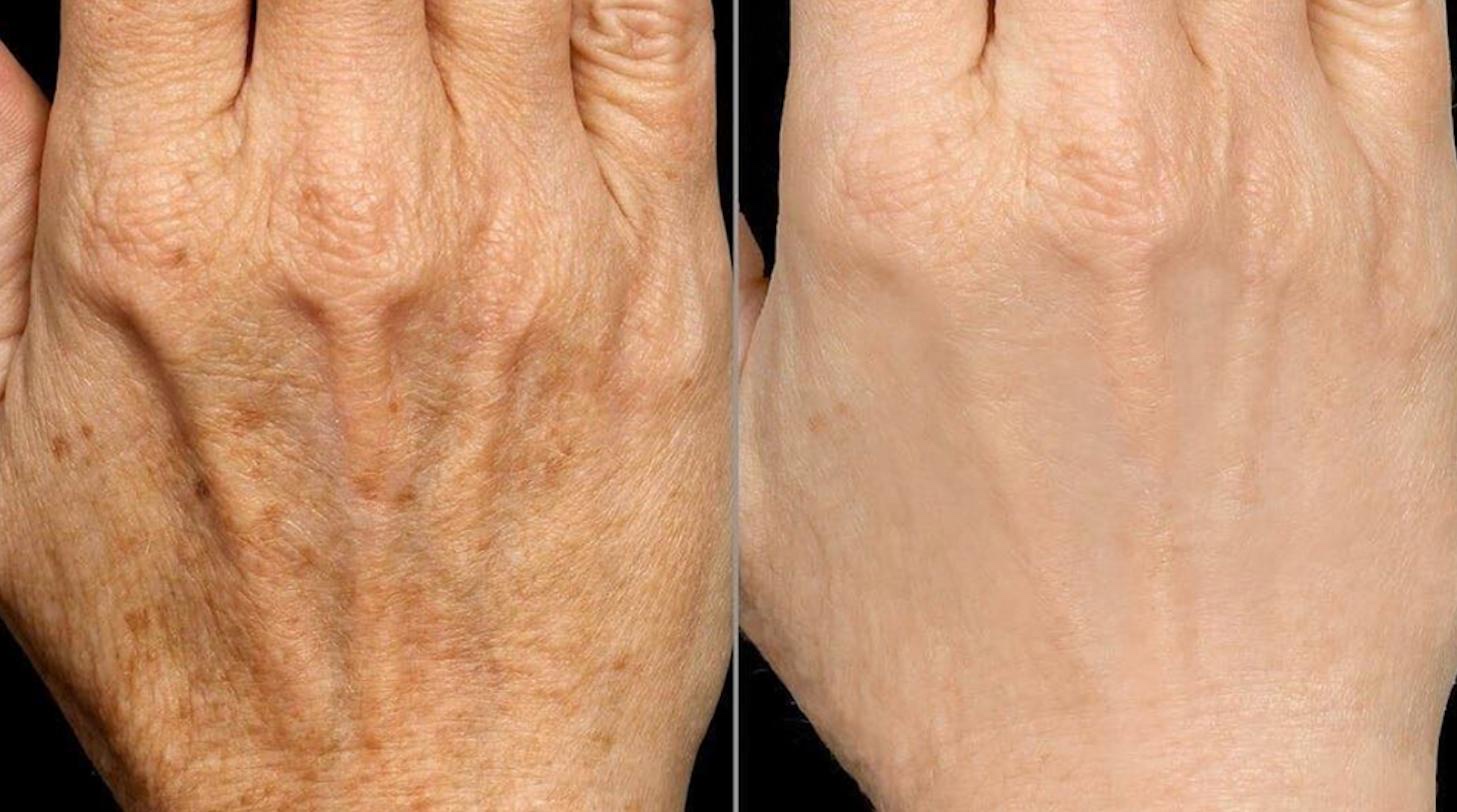

Understanding Pigmentation
Uneven skin tone can show up in different ways, and often for different reasons. Whether it’s sun exposure, hormonal changes, or marks left behind after breakouts, pigmentation concerns are one of the most common reasons clients come to see us. Every pigmentation concern is a little different, which is why treatment starts with understanding the specific type and cause before recommending an approach.
Types of pigmentation we treat
Melasma
Melasma often appears as patches of darker pigmentation, commonly triggered or worsened by hormonal changes, sun exposure, or pregnancy. It can be a persistent and frustrating concern, and generally benefits from a carefully considered, ongoing approach rather than a single treatment.
Sun Damage & Sun Spots
Years of sun exposure can lead to visible pigmentation, sun spots, and uneven texture over time. Addressing sun damage often involves supporting overall skin health and texture alongside targeting visible pigmentation.
Post-Inflammatory Hyperpigmentation (PIH)
PIH refers to the darker marks that can remain after acne, injury, or skin inflammation has healed. It’s a common concern, particularly for those with a history of acne, and can take time to fade – professional guidance can help support the process.
How pigmentation treatment works at Jab Lab
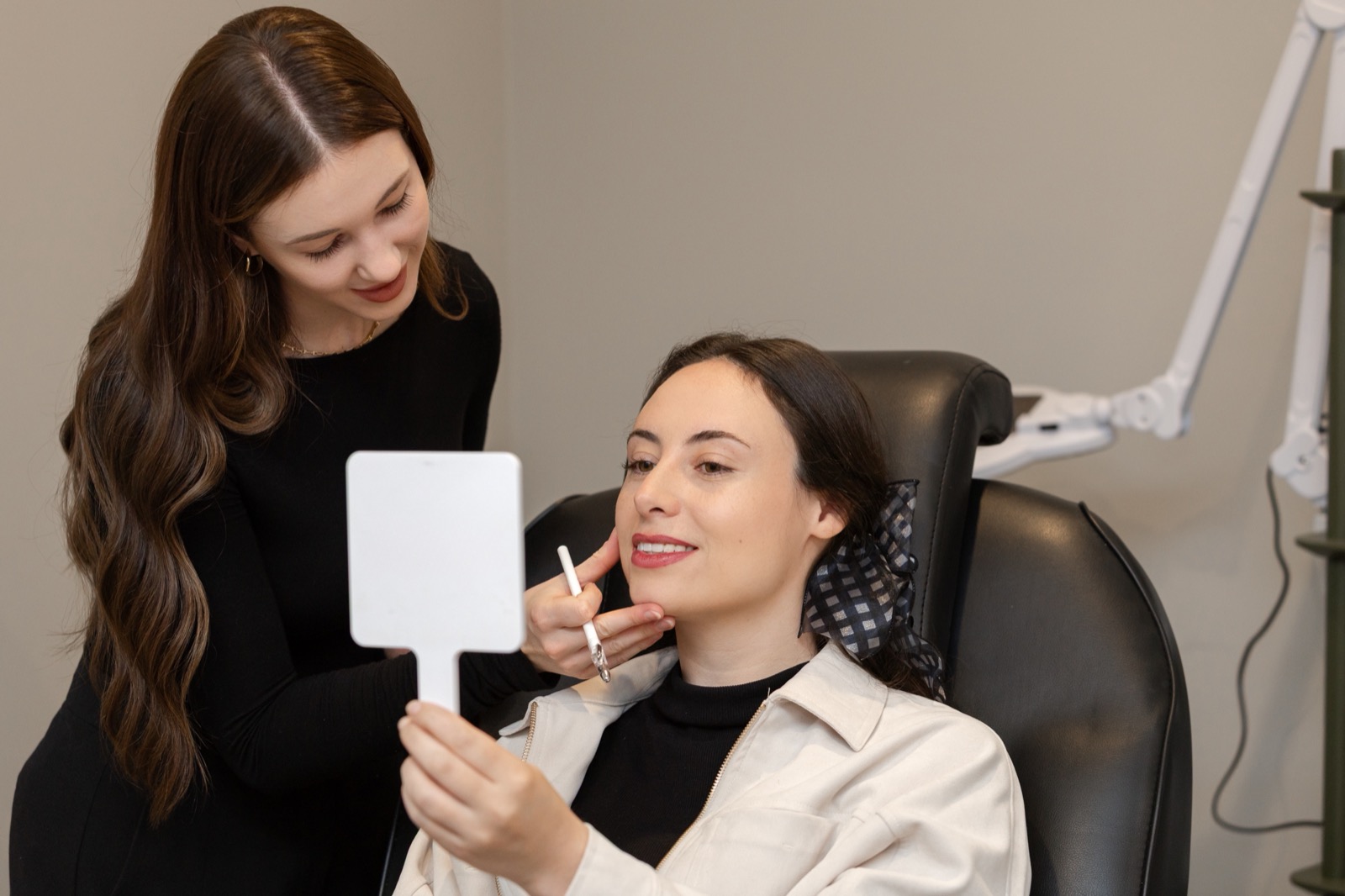
Every treatment plan begins with a thorough consultation and skin assessment, so we can understand which type of pigmentation you’re dealing with and recommend a realistic, considered plan. We offer a range of approaches to support skin tone and texture, including Procell Microneedling, PRX-Plus, Skin Peels & Advanced Facials, Skin Boosters, and Rejuran — we’ll talk through which treatment best suits your pigmentation concern and skin type.
Based in St Kilda, we welcome clients from across Bayside, South Yarra, Windsor, Albert Park, and greater Melbourne.
*Consultation is required prior to any medical treatments. Please book online or contact the clinic directly to schedule a complimentary consultation to discuss treatment options.
Frequently Asked Questions
What causes pigmentation?
Pigmentation can be caused by a number of factors, including sun exposure, hormonal changes, inflammation from acne or injury, and genetics. Identifying the underlying cause helps guide the most suitable approach.
Can pigmentation be fully removed?
Results vary depending on the type and cause of pigmentation, and realistic expectations are an important part of your consultation. Many clients see a visible improvement in tone and texture, though pigmentation, particularly melasma, can require ongoing, maintained care rather than a one-off fix.
How long does it take to see results?
This varies by pigmentation type and treatment approach, and will be discussed based on your specific plan during your consultation.
Will pigmentation come back?
Some types of pigmentation, especially melasma and sun-related pigmentation, can be triggered again by sun exposure or hormonal changes. Ongoing sun protection and skincare play an important role in maintaining results.
What's the difference between melasma and sun spots?
Melasma typically appears as broader, symmetrical patches often linked to hormones, while sun spots tend to be smaller, more defined marks caused by cumulative sun exposure. A proper assessment can help confirm which you’re dealing with, as they’re sometimes treated differently.
Does treatment hurt, and is there downtime?
This depends on the specific treatment recommended for your pigmentation type. We’ll walk you through what to expect, including any downtime, during your consultation.
 info@jablab.com.au
 0491 690 542